 | ||
| Your browser is not supported. | ||
|
Please browse our site using any of the following options:
| ||


Kitchen Essentials & Cookware For Healthier Cooking
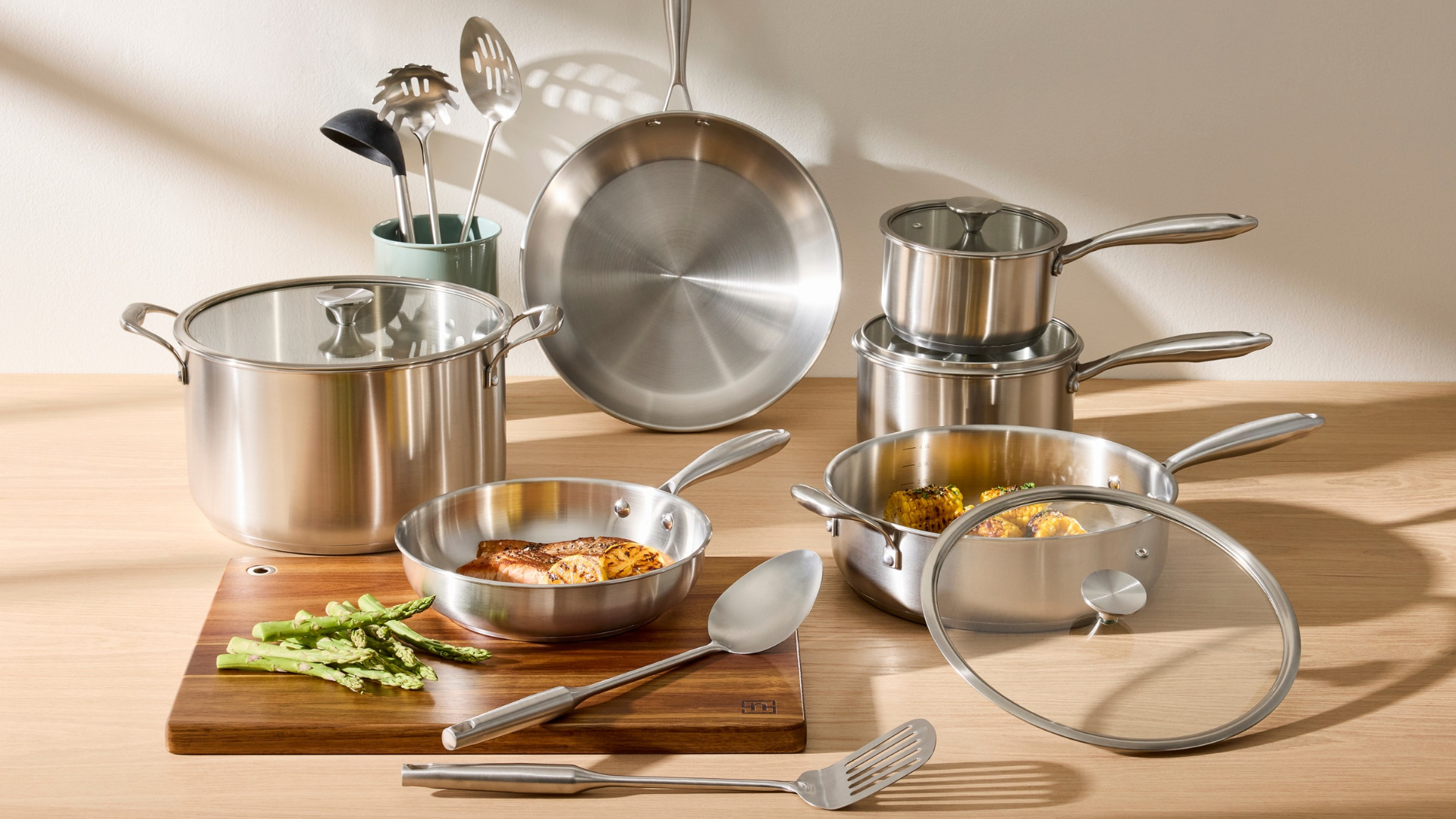
Whether you're making a quick dinner or spending the afternoon trying out a new recipe, you want to know that your cookware and appliances are safe to use. From everyday utensils to your favourite pots and pans, the materials and cookware surfaces in your kitchen matter. Making small swaps in your kitchen can help your family enjoy a cleaner and safer environment where it matters most.
We're taking a closer look at some common kitchen questions, separating fact from fiction and helping you choose the best kitchen essentials and cookware for your home.
Quick Links:
- How Stainless Steel & Ceramic Cookware Supports Healthier Cooking
- Why Wooden Chopping Boards Are A Kitchen Essential
- Stainless Steel Kettles: A Smart Kitchen Swap
- Silicone Utensils: Safe & Practical Kitchen Must-Haves
- Glass Food Storage Containers For Healthier Food Storage
How Stainless Steel & Ceramic Cookware Supports Healthier Cooking
Stainless steel and ceramic cookware are great options for healthier cooking, especially if you want to avoid synthetic non-stick coatings, and both can be found completely free from PTFE, PFOA and other PFAS. Stainless steel cookware is ideal for high-heat searing, whereas ceramic cookware excels at low to medium heat for sticky or delicate foods that need gentler cooking.

Is Stainless Steel Cookware Safe?
Stainless steel cookware is a safe choice because it's commonly made from grades such as 304, 316, 18/8 or 18/10, which are chemically stable and generally non-reactive (prevents unwanted flavour changes during cooking). It's also incredibly durable, resisting rust, scratching and corrosion far better than many other cookware materials, making it a reliable choice for everyday cooking.
Is Ceramic Cookware Safe?
Yes, because modern ceramic cookware usually has an aluminium or steel core with a non-stick ceramic coating. Some coatings, such as Thermolon, are even reinforced with diamond particles for added durability. Unlike traditional PTFE-based non-stick coatings, quality ceramic coatings are made without PTFE, meaning they avoid the fumes associated with overheated PTFE surfaces. As long as you follow the manufacturer's care and use instructions, quality ceramic cookware is a safe and convenient choice for everyday cooking.
Why Wooden Chopping Boards Are A Kitchen Essential
Wooden chopping boards bring a natural look and sturdy surface to everyday food prep, providing a natural, non-toxic surface for chopping and slicing. With a little regular care, including occasional treatment with food-grade mineral oil, a quality wooden chopping board can stay in great condition for years to come. It's a simple, practical addition that's as useful as it is timeless.

Are Wooden Chopping Boards Safe?
Wooden chopping boards can be a great choice for everyday food prep, as long as you give them a little TLC. Hardwoods like acacia have natural properties that help draw moisture into the wood, which can make it harder for bacteria to survive. They're also generally resistant to deep knife marks, helping keep those tricky grooves where food and bacteria can collect to a minimum. Just remember to give your board a good clean after use, let it dry thoroughly and treat it to a little food-grade mineral oil from time to time. A bit of regular care goes a long way towards keeping your chopping board in good shape for years to come.
Stainless Steel Kettles: A Smart Kitchen Swap
Stainless steel kettles are a kitchen essential that bring together style and healthier cooking. Their sleek stainless steel finish looks great on your benchtop, while the non-porous surface helps resist bacterial growth, mould and residue build-up. Stainless steel is also odour-free, so it won't hold onto unwanted smells. They're easy to clean, long-lasting and great for everyday use.


Is A Stainless Steel Kettle Safe?
Stainless steel kettles are a great option for your daily cuppa, whether you're making your morning coffee or an afternoon cup of tea. Unlike some other materials, stainless steel doesn't release microplastics, BPA or phthalates into your boiling water, even with regular heating. Food-grade stainless steel, such as 304 or 316, is also highly resistant to reacting with minerals in water, helping keep your hot drinks tasting just as they should. They're durable, easy to clean and simple to look after, making them a practical choice for any kitchen.
Silicone Utensils: Safe & Practical Kitchen Must-Haves
Silicone cooking utensils are great for keeping your favourite pots and pans looking their best. Made from flexible, heat-resistant food-grade silicone, they're designed to be gentle on cookware surfaces such as ceramic and non-stick coatings. Whether you're stirring a sauce, flipping pancakes or scraping out the last bit of food, you can cook with confidence without worrying about scratches or damage. They're also easy to clean and durable, perfect for everyday cooking.


Are Silicone Cooking Utensils Safe?
Food-grade silicone cooking utensils are a great choice for safe cooking because they have a non-porous surface that doesn't readily absorb food smells or stains. They're also simple to clean and less likely to harbour bacteria when properly cared for. Quality food-grade silicone is designed to be non-reactive with food and drinks, and doesn't contain BPA, phthalates or PFAS. It's one of the reasons silicone spatulas, tongs and other cooking utensils have become such popular choices in many kitchens.
Glass Food Storage Containers For Healthier Food Storage
Glass food storage containers are an excellent option for storing everything from last night's leftovers to ingredients for easy meal prep. Their smooth, non-porous surface doesn't absorb food smells, oils or stubborn stains from foods like tomato and turmeric, so they're very easy to clean. Glass is also free from chemicals such as BPA, BPS and phthalates, making it a popular choice for storing food without worrying about unwanted chemical leaching. Plus, they're great for keeping your fridge organised and your leftovers ready for another day.


Can You Freeze Food In Glass Containers & Is It Safe?
Great for meal prep and leftovers, most glass food storage containers are safe for freezing food, depending on their material. High-quality borosilicate or tempered glass bases can often go straight from the fridge or freezer into the oven or microwave, so there's no need to transfer food into another dish. Just check the manufacturer's instructions for temperature limits. Glass is also non-reactive, helping your food taste exactly as it should without unwanted metallic or chemical aftertastes.
Try These Kitchen Essentials For Healthier Cooking Today
The right kitchen essentials can make a big difference when you're cooking for a healthier lifestyle. From food prep to cooking and storage, the right tools can help you create a cleaner, more practical kitchen. With these essentials in your corner, you can feel confident making healthier choices every time you cook. Harris Scarfe is your one-stop shop for healthier alternatives for your kitchen. Small changes really make a great difference to your home and routine. Shop the range online or in-store at Harris Scarfe,
Visit us online or in-store and head over to our Food Hub for more helpful ideas and tips for your home! Some great articles you'll love include:
