 | ||
| Your browser is not supported. | ||
|
Please browse our site using any of the following options:
| ||


How To Choose The Right Cast Iron Cookware - Complete Cast Iron Buying Guide

Cast iron is one of the most beloved cookware materials - and for good reason! It boasts incredible durability, exceptional heat retention and outstanding cooking performance that can last for generations. Perfect for everything from high-heat searing to slow-cooked family meals, cast iron cookware is designed to deliver rich flavour and beautifully even cooking results every time. Whether you're an experienced home cook or just beginning to build your dream kitchen, choosing the right option can make all the difference to your everyday cooking experience.
That's where our helpful buying guide about the different types of cast iron cookware comes in. We'll walk you through everything you need to know, from key features and benefits to helpful tips for choosing the best cast iron cookware to suit your kitchen, cooking style and household needs.
Quick Links
- Why Choose Cast Iron Cookware?
- Common Types of Cast Iron Cookware
- Types of Cast Iron Explained
- Bare Cast Iron vs Enamelled Cast Iron - Which Is Right for You?
- Best Sizes for Everyday Cooking
- Is Cast Iron Worth The Effort It Takes To Maintain?
- Should You Choose The More Expensive Cast Iron Options?
Why Choose Cast Iron Cookware?
If you're looking for cookware that's built to last and delivers incredible cooking results, cast iron cookware is such a fantastic choice for your kitchen. Loved by home cooks for generations, cast iron is known for its amazing heat retention, meaning it stays hotter for longer and cooks food beautifully and evenly. Cast iron is perfect for creating rich flavours, crispy sears and hearty slow-cooked meals that taste absolutely delicious.
Another huge benefit is its versatility. It can handle everything from stovetop cooking to oven baking with ease. Cast iron is also incredibly durable, making it a long-term kitchen investment you'll use for years to come. Once properly seasoned, it develops a naturally easy-release cooking surface too, making everyday cooking feel even easier and more enjoyable in your home kitchen!

Why Australian Home Cooks Love Cooking With Cast Iron
There's a reason cast iron has remained a favourite in kitchens for generations. From its incredible heat retention to its longevity, home cooks love the unique benefits it brings to everyday cooking. In this section, we'll break down the many reasons why cast iron continues to be such a trusted and loved choice in the kitchen.
Heat retention for hearty meals
One of the biggest reasons people absolutely love cooking with cast iron cookware is its incredible heat retention. Once heated, cast iron stays hot for much longer, helping cook food evenly and consistently without sudden temperature changes. This is amazing for creating beautifully seared meats, crispy edges and rich flavours, while also making slow cooking and hearty comfort meals so much easier and more reliable.
Versatility for many uses
People also love cast iron cookware because it's incredibly versatile in the kitchen. You can sear meat beautifully, then use the same dish to create a rich sauce straight afterwards! It's also perfect for moving from stovetop to oven, making everything from crispy roasts to baked desserts and hearty one-pan meals so easy.
Longevity and performance over time
Cast iron cookware is also loved for its incredible longevity. With the right care, it can last for decades and even be passed down through generations. Its durable construction handles regular cooking with ease, making it a reliable long-term investment for your kitchen that only gets better and more seasoned over time.
What Makes Cast Iron Different From Other Cookware?
Cast iron cookware stands out from other cookware - but why? It's known for its strength, performance and ability to elevate everyday cooking with ease. This section will delve into what exactly makes cast iron so unique from other types of cookware, exploring the key qualities that set it apart and why it remains such a trusted kitchen favourite.
Cast iron vs stainless steel cookware
Cast iron cookware is all about incredible heat retention, giving you steady, even cooking and amazing results for slow dishes and deep flavour. Stainless steel cookware, on the other hand, heats up quickly and gives you more responsive temperature control, making it great for precise cooking. Cast iron is heavier and built for long, slow cooking, while stainless steel is lighter, versatile and perfect for everyday fast-paced meals.
Cast iron vs nonstick cookware
Cast iron cookware is built for serious heat, giving you amazing sears, rich flavour and long-lasting performance, while also moving easily from stovetop to oven. Non-stick cookware is all about easy, fuss-free cooking where food releases effortlessly and cleanup is quick. Cast iron is heavier and great for high-heat cooking, while non-stick is lighter and perfect for simple everyday meals and beginners.
Cast iron vs carbon steel cookware
Cast iron cookware is heavier, thicker and known for its incredible heat retention, making it perfect for slow cooking, deep searing and rich, hearty dishes. Carbon steel cookware is lighter and heats up faster, giving you more control and responsiveness for quick, high-heat cooking. Both develop great performance over time, but cast iron lends itself towards slow and steady cooking, while carbon steel is all about speed and agility in the kitchen.

Common Types of Cast Iron Cookware
Cast iron cookware comes in a few popular styles, each designed to bring something special to your cooking experience. From everyday essentials like frypans and grill pans to pieces made for slow, flavour-packed meals like Dutch ovens, there's a lot to explore when it comes to this versatile material.
Cast Iron Skillets and Frypans
Cast iron skillets and frypans are your everyday kitchen heroes, known for their wide base, slightly sloped sides and seriously tough build. They're perfect for searing meats, frying eggs, sauteing veggies and even finishing dishes like steak in the oven. Thanks to cast iron's amazing heat retention, they cook food evenly and gives you that beautiful, rich flavour. They're durable, versatile and only get better with use over time.


Cast Iron Dutch Ovens and Casserole Pots
Cast iron Dutch ovens are deep, heavy-duty pots with tight-fitting lids designed for slow, flavour-packed cooking. They're perfect for soups, stews, casseroles, braises and even baking bread! The thick cast iron walls lock in heat and moisture, cooking food evenly and making flavours richer over time. They're amazing for one-pot meals, moving easily from stovetop to oven to table - all in a single pot! And best of all, they just get better the more you use them.


Cast Iron Grill Pans
Cast iron grill pans are designed with raised ridges that give you those classic grill marks and help drain excess fat while cooking. They're perfect for grilling steaks, chicken, veggies and even sandwiches right on your stovetop. Thanks to cast iron's incredible heat retention, they deliver high, even heat for a beautiful char and deep flavour. They're ideal for bringing that barbecue-style cooking indoors, no matter the season.


Types of Cast Iron Explained
Cast iron cookware comes in a few different forms, each offering its own benefits depending on how you like to cook. This section will break down the key types, including bare cast iron cookware, enamelled cast iron cookware, and the difference between pre-seasoned and unseasoned options, so you can choose confidently.
Bare Cast Iron Cookware
Bare cast iron cookware is the traditional, no-coating version and is often considered the entry-level option in cast iron cookware. It requires seasoning (which our helpful blog detailing how to clean cast iron cookware explains further), where oil is baked into the surface over time to build a natural protective layer. This seasoning helps create a smoother and more non-stick-like surface, and also enhances flavour with use. It's ideal for high-heat cooking, searing and oven dishes, and becomes more reliable, durable and better performing the more it's seasoned and used regularly in your kitchen.
Enamelled Cast Iron Cookware
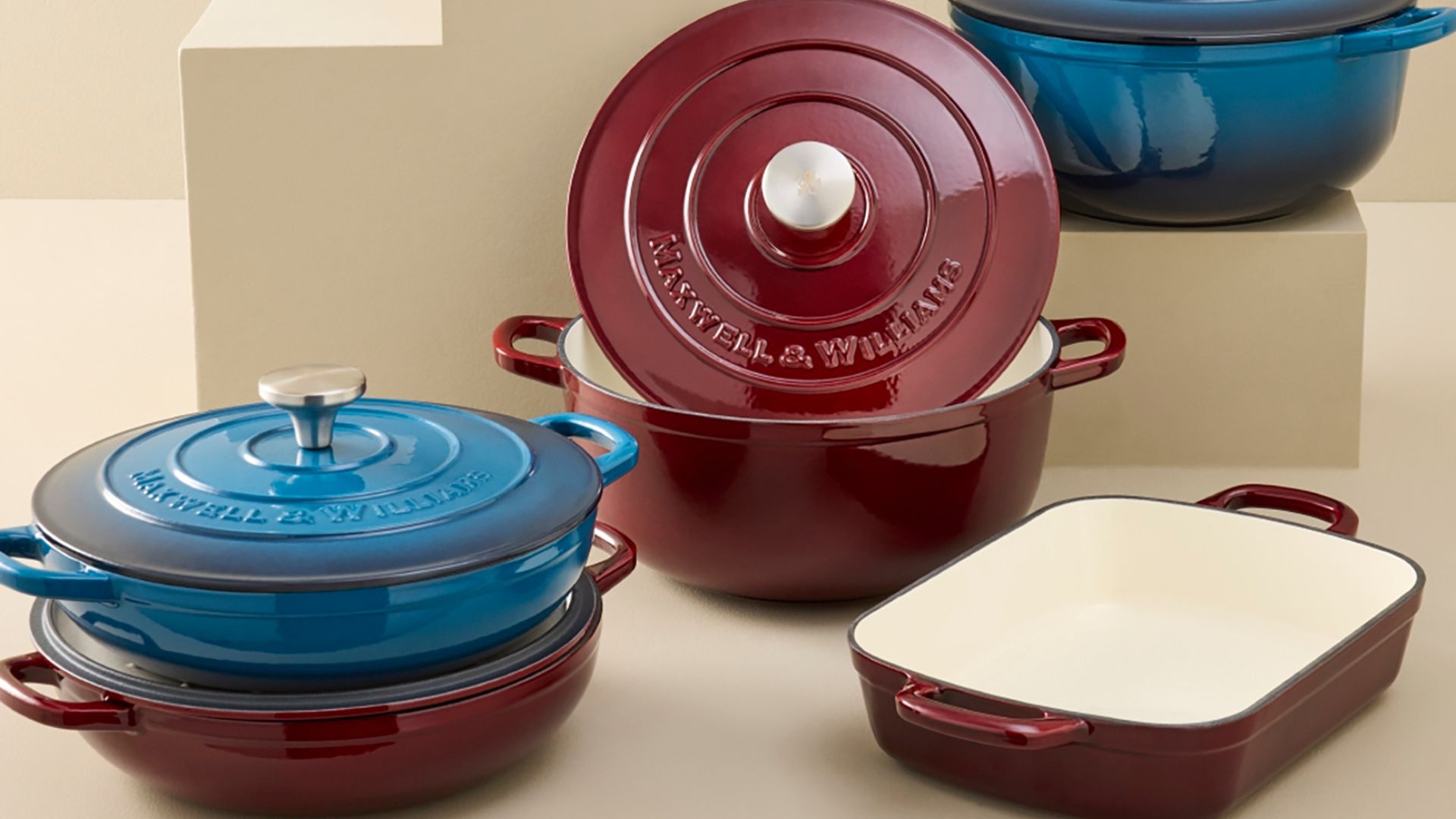
Enamelled cast iron cookware is a beautifully finished version of classic cast iron, coated with a smooth, non-porous glass glaze. Unlike traditional cast iron, it doesn't require seasoning, making it super easy to use and maintain. It offers excellent heat retention, even cooking and a naturally non-stick surface without the extra upkeep. The durable enamel coating also resists staining and odours. Thanks to its sleek, stylish appearance, it's often used for elegant oven-to-table dining and serving straight from kitchen to table.
Pre-Seasoned vs Unseasoned Cast Iron
Pre-seasoned and unseasoned cast iron cookware mainly differ in how they're prepared for cooking. Pre-seasoned cast iron comes ready to use with a protective oil layer already baked in, giving you a smoother, more non-stick surface from the start. Unseasoned cast iron requires you to build up that layer yourself through seasoning over time. Both offer excellent heat retention and durability, but pre-seasoned is more beginner-friendly, while unseasoned gives you full control over the seasoning process.
What does "pre-seasoned" mean?
"Pre-seasoned cast iron" means the cookware has already been coated with a layer of oil and baked at high heat to create a protective, non-stick-like surface. This makes it ready to use straight away, while also helping prevent rust and improving performance from the very first cook.
Can you avoid pre-seasoning your cast iron cookware?
You can skip pre-seasoning your unseasoned cast iron cookware if you want to keep things simple. Cast iron will actually build up its seasoning naturally over time as you cook with fats like butter, bacon and oil, gradually developing that protective, non-stick-like surface with regular use. The main thing to be careful of is moisture. Unseasoned cast iron can rust quite quickly if it's left damp, so after washing, always dry it thoroughly straight away with a towel and avoid letting it air dry. That little habit makes a huge difference in keeping it in great condition and ready for your next cook.
Bare Cast Iron vs Enamelled Cast Iron - Which Is Right for You?
Choosing between bare cast iron and enamelled cast iron can feel a little tricky, especially when you're building your cast iron cookware collection. Each type of cast iron offers its own unique benefits depending on how you like to cook and maintain your kitchen essentials. This section will delve into what you need to know to help you decide which option is right for you and your cooking needs.
Cooking Performance Differences
Bare cast iron and enamelled cast iron cookware both deliver excellent cooking performance, but they shine in different ways. Enamelled cast iron is ideal for slow cooking, soups, stews and acidic dishes (like tomato-based sauces), as the enamel coating won't react with or alter flavours.
Bare cast iron cookware, on the other hand, excels at high-heat cooking, making it perfect for searing meats, frying and outdoor cooking (like over a campfire). It builds up seasoning over time, enhancing performance and flavour with every use while delivering that signature golden crust and deep caramelisation.
Maintenance & Cleaning Differences
When it comes to maintenance, enamelled cast iron and bare cast iron have quite different care routines. Enamelled cast iron is coated in a durable porcelain glass layer, which means it requires no seasoning at all and is much easier to clean after cooking. Simply wash, dry, and it's ready to go again!
Bare cast iron, however, needs a little more attention. It should always be hand washed, dried immediately and lightly oiled to maintain its protective layer. Regular seasoning is essential to preserve its natural non-stick surface and prevent rust, helping it improve in performance over time with continued use.
Which Cast Iron Cookware Is Better for Beginners?
For beginners, enamelled cast iron is often the easier and more forgiving choice when starting out. It comes ready to use with no seasoning required, and the smooth porcelain enamel coating makes cooking and cleaning simple and stress-free. It's great for everyday meals like soups, stews and sauces, and there's less maintenance to worry about, which helps build confidence in the kitchen.
Bare cast iron, while incredibly rewarding, does require a bit more care and attention. It needs regular seasoning and proper drying to prevent rust, but in return, it develops a naturally non-stick surface over time. So, if you're just starting your cooking journey, enamelled cast iron offers convenience and is ideal for people new to cast iron cookware, while bare cast iron suits those wanting to learn traditional cast iron cooking and have control over the seasoning process.

Best Sizes for Everyday Cooking
Cast Iron Type | Best Everyday Size |
Skillets/Frypans | 26-30cms |
Dutch Ovens | 4-6L |
Grill Pans | 26-30cms |
Griddles | 30-35cms |
Is Cast Iron Worth The Effort It Takes To Maintain?
Cast iron cookware is absolutely worth the effort when it comes to maintenance. While it does require a little extra care compared to some other cookware, the long-term benefits are incredible. With regular use and proper seasoning, cast iron develops a naturally non-stick surface, delivers outstanding heat retention and produces beautifully rich flavours in your cooking. The small routine of drying and lightly oiling after use becomes second nature, and in return you get cookware that performs exceptionally well, handles high heat with ease, and truly elevates everyday cooking in your kitchen.
Should You Choose The More Expensive Cast Iron Options?
Higher-end cast iron can feel a bit smoother and have a more refined in finish, but in terms of real cooking performance, the difference is usually subtle rather than game-changing. Most cast iron, budget or premium, still delivers amazing heat retention, solid searing power and that long-lasting durability people love.
What you're really paying extra for is things like smoother machining, more refined edges, lighter handling or brand finish rather than totally different cooking results. So is it worth it? If you love cookware aesthetics or want a lighter, more polished feel, then yes. But for everyday cooking, even entry-level cast iron performs beautifully and will genuinely last you years with proper care, so you're not missing out on the magic either way.
Explore Our Range Of Cast Iron Cookware At Harris Scarfe Today
At Harris Scarfe, we've sourced a range of the best cast iron cookware for you to choose from, including quality, tested brands that you know and love, such as Maxwell & Williams & Smith + Nobel. Shop for your new cast iron cookware at your nearest Harris Scarfe store, where you can also explore a huge range of cookware to cover all your cooking needs. Shop the complete selection online today and enjoy the convenience of home delivery or click & collect for your order.
Head over to our Food Hub for more helpful ideas, recipes and inspiration! Some great articles you'll love include:
