 | ||
| Your browser is not supported. | ||
|
Please browse our site using any of the following options:
| ||


How To Choose The Right Travel Luggage | Suitcase Buying Guide
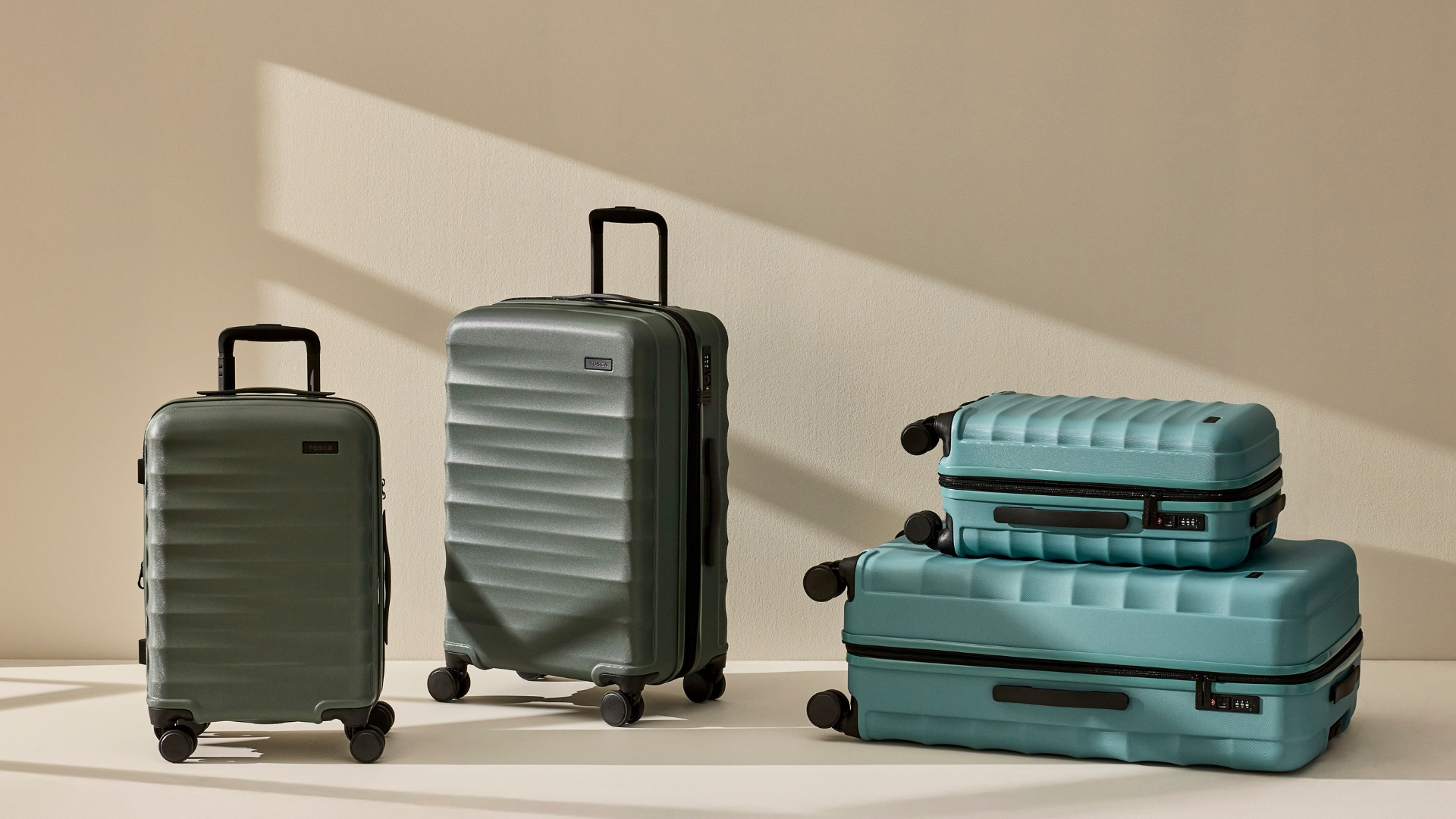
There are different types of suitcases to choose from, which can make buying the right one for your next trip a little tricky. That's why our helpful suitcase buying guide is here to make finding your travel companion easier. We'll walk you through everything you need to consider before making your choice, from suitcase sizes and materials to features, security options and more, to help you find the right suitcase for your travel needs.
Quick Links
- Types of Suitcases
- What Suitcase Size Can You Take?
- How Much Should Your Suitcase Weigh?
- Suitcase Materials To Choose From
- Should You Choose a Hard-Shell or Soft-Shell Suitcase?
- Weather-Resistant Luggage
- Which Suitcase Wheels Should You Choose?
- How Does the Handle Affect Manoeuvrability?
- What Special Suitcase Features Do You Actually Need?
- How To Make Your Luggage Easy To Identify
- How To Maximise The Security Of Your Luggage
Types of Suitcases
Different types of suitcases cater to different travel needs, so it's important to choose the right one for your trip. A weekend getaway might call for a compact carry-on, while a long overseas holiday will need a larger suitcase. Choose the wrong type, and you could run out of space or struggle with bulky luggage. Let's explore the main suitcase types to help you decide!
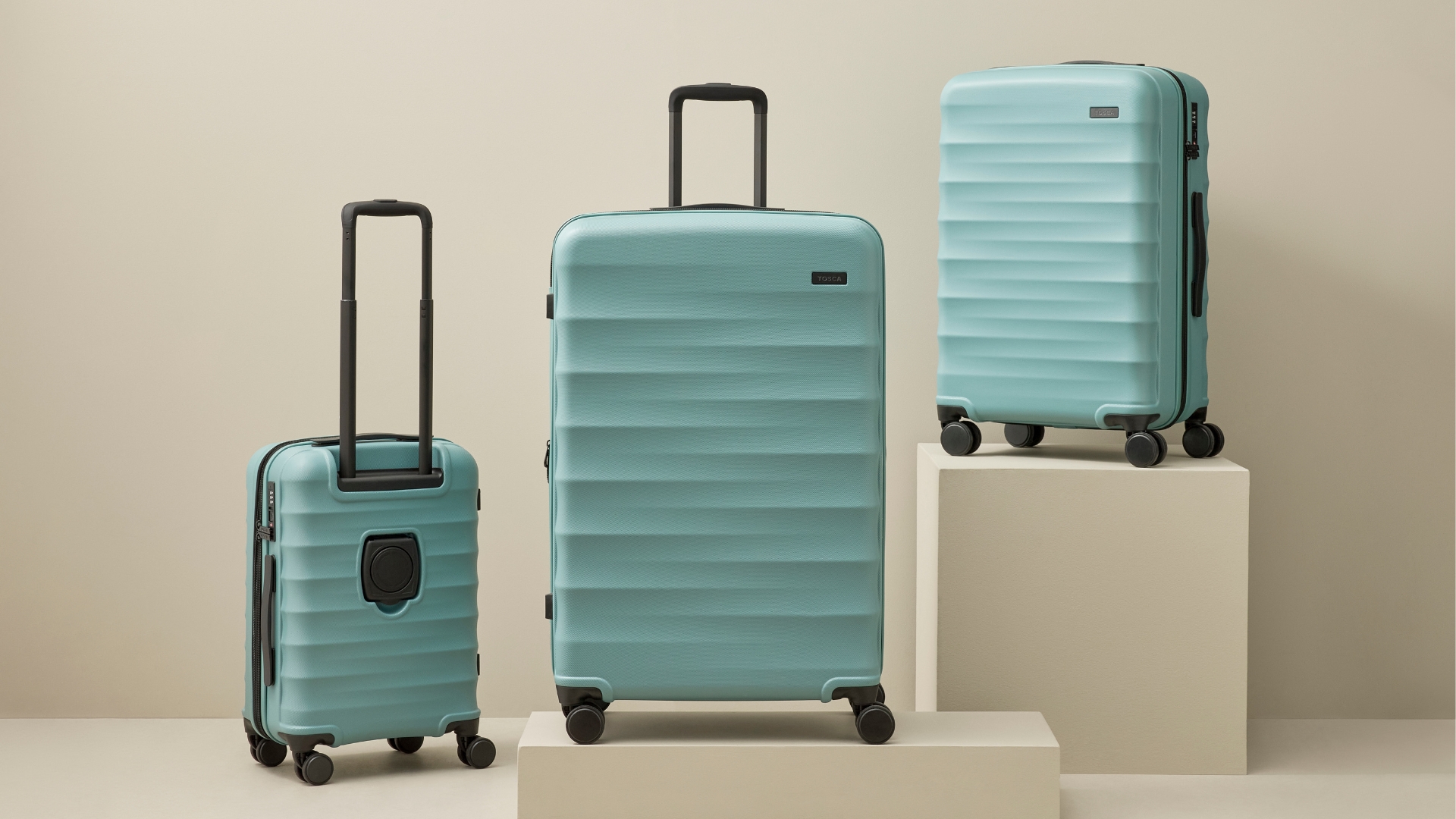
Carry-On and Cabin Suitcases
Carry-on and cabin suitcases are compact luggage options designed to fit in an aircraft's overhead compartment, making them perfect for short trips, weekend getaways or when you want to avoid checking in luggage. They're perfect for packing your essentials like clothing and travel documents. Just remember to check your airline's size and weight restrictions before travelling, as requirements can vary.
Small Suitcases
Small suitcases are a practical option for overnight stays, weekend getaways or short business trips when you only need to pack a few outfits and essentials. They're easy to manoeuvre through busy airports, train stations and hotel corridors, making them a handy choice when you want to travel light without lugging around bulky luggage.
Medium Suitcases
Medium suitcases offer more packing space than small suitcases, perfect for week-long holidays, family visits or business trips requiring extra outfits. They provide room for clothing, shoes and toiletries without being as bulky as larger luggage. Choose a medium suitcase when you need extra capacity without sacrificing too much manoeuvrability.
Large Suitcases
Large suitcases offer an excellent amount of packing space, making them useful for extended holidays, overseas adventures or family trips where you need extra clothing, shoes and essentials. They're also handy for packing bulky items or souvenirs, giving you plenty of room to bring everything you need for your trip.
Extra-Large Suitcases
Extra-large suitcases work well for extended overseas holidays, long-term travel or family trips where you need to pack plenty of clothing, shoes and bulky essentials. Their biggest benefit is the generous storage space, helping you fit everything into one suitcase. However, remember to check airline weight restrictions to avoid excess baggage fees.
Luggage Sets
Luggage sets include multiple suitcases in different sizes, giving you flexible packing options for everything from weekend getaways to extended holidays. Having a coordinated set makes it easier to organise your luggage, with each suitcase serving a different travel need. Plus, matching designs make your suitcases easier to identify and keep together.
What Suitcase Size Can You Take?
When choosing what suitcase size you can take, keep in mind that baggage limits are set by individual airlines rather than one global standard. Size and weight restrictions can vary depending on your airline and ticket type, so check your airline's website for their standard suitcase dimensions that are permitted before travelling.
What Are the Standard Suitcase Dimensions?
Medium Suitcase Dimensions
Medium suitcases measure around 60 to 69 cm (24 to 27 inches) in height and 40 to 46 cm (16 to 18 inches) in width. These dimensions provide a good balance between packing capacity and manoeuvrability, making medium suitcases a handy choice for week-long holidays, business trips and visits with family or friends.
Large Suitcase Dimensions
Large suitcases are typically between 70 to 79 cm (27 to 31 inches) in height and 45 to 51 cm (18 to 20 inches) in width. They offer plenty of packing space for extended holidays, overseas adventures or family trips, giving you room to pack extra clothing, shoes, toiletries and other travel essentials.
Small Checked Luggage Dimensions
Small checked suitcases are between 50 and 59 cm (19 to 23 inches) in height and 36 to 41 cm (14 to 16 inches) in width. They're a handy option for short trips when you need to check in your luggage, offering enough room for your essentials while keeping your luggage compact and easy to handle.
Should You Choose Carry-On or Checked Luggage?
Choosing between carry-on and checked luggage depends on your trip length, packing needs and travel preferences. Carry-on luggage is great for short trips, packing light, potentially saving money when your airline includes a free carry-on bag, and speeding up your airport experience. Checked luggage is best for longer holidays, packing bulky items or wanting a hands-free airport experience when you don't want to haul your luggage around the airport.
How Much Should Your Suitcase Weigh?
How much your suitcase should weigh depends on the airline you're flying with, as baggage weight limits can vary depending on your ticket and destination. Many airlines also enforce a maximum limit of 32 kg per suitcase for safety reasons, so be sure to check your airline's baggage requirements before flying.
Why Empty Suitcase Weight Matters
The empty weight of your suitcase matters because it contributes to the total weight of your luggage once packed. Knowing how much your suitcase weighs before adding your belongings helps you keep track of your overall luggage weight and stay within your airline's baggage allowance.
Lightweight Suitcases
Lightweight suitcases are a great choice when you need to stay within your airline's weight restrictions. Every gram saved on the empty shell is a gram you can actually use for your clothes and gear, helping you maximise your packing space and avoid expensive overweight baggage fees.
Standard-Weight Suitcases
Standard-weight suitcases can offer added durability and protection, but it's important to consider your airline's baggage weight restrictions before travelling. For standard-weight suitcases, empty weight is a trade-off: you give up some of your airline allowance in exchange for maximum protection, heavy-duty durability and sturdier hardware designed to withstand rough handling.
Heavy-Duty Suitcases
Heavy-duty suitcases are designed for maximum protection, but their heavier empty weight can take up a significant portion of your airline's baggage allowance. This is a deliberate trade-off: you may sacrifice 30% or more of your weight limit for extreme security, crush resistance and weatherproofing. Made with materials like thick aluminium or specialised resins, they're built to protect valuable electronics and luxury items from rough handling and theft, making them best suited to travellers with higher baggage allowances.
Suitcase Materials To Choose From
Choosing the right suitcase is about more than just finding a size that fits your travel plans. You'll also want to think about how often you travel, what you'll be packing and how much protection your belongings need along the way. Understanding what to look for will help you find a suitcase that suits your travel needs and keeps your essentials safe.
Polycarbonate Suitcases
A popular suitcase choice with travellers, polycarbonate suitcases are lightweight, durable and designed to withstand the bumps and knocks of travel. Their flexible shell can absorb impacts and flex slightly under pressure, helping reduce the risk of cracking. Choose polycarbonate if you want a sturdy suitcase that's easy to manoeuvre without adding too much weight to your airline baggage allowance.
Polypropylene Suitcases
Made from a lightweight, flexible plastic, polypropylene suitcases have a hard shell and are designed to handle the bumps and knocks of travel without adding too much weight to your luggage. They offer good impact resistance and flexibility, making them less prone to cracking under pressure. They're a great choice if you want a durable, lightweight suitcase that helps you stay within your airline's baggage weight limits.
Composite Materials
These suitcases are made by combining different materials and are designed to balance strength, durability and weight. Depending on their construction, they can offer excellent impact resistance while keeping your belongings protected during travel. They're ideal if you travel frequently, carry valuable items or want a sturdy suitcase that can handle the demands of regular trips.
Polyester Luggage
Polyester luggage is a popular soft-shell option that's lightweight, flexible and often budget-friendly. Its fabric construction allows for a little extra packing flexibility, with some designs featuring expandable sections and convenient external pockets for easy access to travel essentials. It's a great choice for casual holidays, weekend getaways or travellers who value affordability, easy organisation and a suitcase that's simple to handle.
Nylon Luggage
Made from a strong synthetic fabric, these soft-shell suitcases offer excellent resistance to everyday wear and tear while remaining lightweight and flexible. They're a great choice for frequent travellers who want luggage that can handle regular use. Choose this option if you value durability, flexible packing space and handy external pockets for keeping your travel essentials organised and accessible.
Should You Choose a Hard-Shell or Soft-Shell Suitcase?
When choosing between a hard-shell and soft-shell suitcase, it's worth considering how each type of suitcase can suit your travel needs. Both options have their own benefits, so the right choice will depend on your packing habits, travel plans and personal preferences. Let's explore the differences to help you find the best fit for your next adventure.

Benefits Of Hard-Shell Suitcases
Hard-shell suitcases offer excellent protection for fragile belongings, such as electronics and glass items, thanks to their rigid outer casing. They also provide great water resistance to help keep your clothing and other essentials dry. Many feature security options like TSA-approved combination locks, while their sturdy construction helps maintain their shape without sagging or bulging when under-packed or overstuffed.
Benefits Of Soft-Shell Suitcases
Made from flexible woven fabrics, soft-shell suitcases often offer expandable capacity when you need extra packing space. They feature convenient external pockets for storing chargers, jackets and travel documents, so you don't have to dig through your luggage. They're also better at hiding scuff marks and minor scratches, while their flexible design makes them easier to open in tight spaces.
Weather-Resistant Luggage
Weather-resistant luggage is worth considering if your trip might expose your belongings to the elements. Whether you're navigating rain, humid destinations or snow, choosing luggage with weather-resistant features can help protect your clothing and essentials from unexpected showers, splashes and moisture along the way. Here's what you need to know.
Water-Resistant Fabrics
Water-resistant suitcases are commonly made from two main synthetic fabrics: polyester and nylon. Lightweight polyester naturally repels most moisture and dries quickly, making it a practical choice for everyday travel. For greater durability, heavy-duty ballistic nylon offers excellent tear resistance, while its tight weave helps limit water penetration and protect your belongings from moisture. Keep in mind that water resistance varies by fabric treatment and construction, so check the suitcase's specifications for added protection.
Protected or Sealed Zippers
Protected zippers feature an inverted design sealed with a smooth rubber coating. This provides exceptional water resistance to keep your clothes dry and shields the track for enhanced puncture security and modern style. Standard zippers offer unmatched gliding smoothness and maximum flexibility. Their lightweight construction keeps the suitcase easy to lift, while the lack of stiff coatings ensures effortless opening and closing every single time.
Which Suitcase Wheels Should You Choose?
Suitcase wheels play an important role in how easily you can move your luggage through airports, train stations and busy streets. Choosing the right wheels can make travelling smoother, reduce effort when manoeuvring and help you navigate different surfaces with ease.
Two-Wheel Suitcases
Two-wheel suitcases are a great choice if you frequently travel over rough or uneven terrain, such as cobblestone streets, gravel paths or thick carpets. Their recessed wheels offer better stability and are designed to roll over bumps more easily, making them easier to handle when navigating surfaces that might challenge other suitcase wheels.
Four-Wheel Spinner Suitcases
If you want to move easily through smooth, crowded indoor spaces like airport terminals, train stations and hotel lobbies, four-wheel spinner suitcases are a great choice. Their wheels rotate 360 degrees, allowing you to glide your suitcase beside you with less wrist strain and manoeuvre through tight airplane aisles. They're also ideal when travelling with multiple suitcases, as you can push two spinners side-by-side with one hand on flat surfaces.
Two-Wheel vs Four-Wheel Suitcases
Two-wheel suitcases excel at preventing accidental rolling on public transport and provide a naturally steadier base when packed top-heavy. On the other hand, four-wheel suitcases shine when navigating tight queues because you can nudge them forward inch-by-inch without lifting, and they easily allow you to wheel multiple suitcases simultaneously with just one hand.
How Does the Handle Affect Manoeuvrability?
Your suitcase handle plays an important role in how easily you can steer and manoeuvre your luggage. Look for a sturdy, adjustable telescopic handle with a comfortable, ergonomic grip, as this helps you maintain better control and reduces strain on your wrists. A strong double-tube design also provides greater stability, making it easier to guide heavier suitcases through busy airport terminals without the handle twisting or feeling wobbly.
What Special Suitcase Features Do You Actually Need?
When choosing a suitcase, it's worth considering which special features will be the most useful for your travel needs. Think about how you pack, where you're travelling and what will make your journey easier, so you can find a suitcase that works for you. Consider the following features before making your choice:
Laptop Compartments
It's worth considering laptop compartments if you travel for work or like bringing your laptop on holidays. They provide a dedicated space to store your device, making it easier to access during airport security checks or while working on the go, without rummaging through your packed belongings.
USB Charging Features
When choosing a suitcase with USB charging features, consider port compatibility, flexibility and protection. Look for modern USB-C ports for compatibility with newer devices, and an internal pocket with a standard cable setup so you can adapt as your charging needs change. A weather-resistant rubber cover over the external port can also help protect the electronics from moisture and dirt. Remember, most suitcases with USB charging require you to connect your own power bank.
Garment Compartments
Choose a suitcase with a removable tri-fold garment sleeve and universal hanger clips to keep formal clothing separate and make it easy to hang your outfits straight into a hotel wardrobe. Look for padded support bars along the folds to minimise creasing, as well as internal straps that hold garments in place and help prevent wrinkles while travelling.
Compression Systems
Compression systems are handy when travelling with carry-on luggage or packing bulky items like winter clothing for a ski holiday. They help compress your belongings to create more room, with some designs offering up to 30% more packing capacity. Look for internal compression panels or straps to flatten clothing, and check your suitcase's weight before flying.
Water-Resistant Materials
They are worth considering if you're travelling to rainy destinations, visiting tropical locations with frequent downpours or moving between airports and transport in wet weather. They help protect your clothing, electronics and other essentials from light rain and splashes, giving you extra peace of mind when your suitcase is exposed to moisture during your journey.
Tracking-Device Compatibility
Tracking device compatibility is a useful suitcase feature if you want extra peace of mind when travelling, particularly on international flights, connecting journeys or holidays where you'll be checking in your luggage. A suitcase with a dedicated tracker pocket makes it easy to secure a compatible device inside, helping you locate your luggage if it gets misplaced or delayed during transit.
How To Make Your Luggage Easy To Identify
Making your luggage easy to identify helps you quickly spot your suitcase on busy airport carousels and avoid accidentally taking someone else's suitcase. If your suitcase looks like everyone else's, it can be harder to recognise, increasing the risk of mix-ups and delays while you search through similar-looking luggage.
Choosing a Distinctive Colour or Pattern
Choosing a suitcase in a distinctive colour or pattern is a simple way to make your luggage stand out on busy airport carousels, helping you spot it quickly and avoid mix-ups. Luggage sets are another great option, as their coordinated colours and designs make it easier to recognise your baggage and keep track of your belongings when travelling with multiple suitcases.
Luggage Tags
Luggage tags make your suitcase easier to identify by adding a distinctive detail that helps it stand out on busy airport carousels. They also let you add your contact details, making it easier for airline staff or someone who finds your luggage to get it back to you if it goes missing.
Luggage Straps
Adding a brightly coloured or patterned luggage strap is a simple way to make your suitcase stand out on busy airport carousels. As well as helping you spot your suitcase quickly, luggage straps can provide extra security by keeping your suitcase closed during transit and reducing the risk of accidental spills.
How To Maximise The Security Of Your Luggage
Keeping your belongings safe while travelling starts with choosing a suitcase with reliable security features. Here are some things to consider when protecting your luggage:
- Choose a reliable lock: Look for a suitcase with a built-in combination lock, such as a TSA-approved lock, to help secure your belongings.
- Look for heavy-duty zippers: Strong, durable zippers help keep your suitcase securely closed and are designed to withstand the demands of regular travel.
- Use a luggage strap: A secure strap can help keep your suitcase closed during transit and provide an extra layer of protection.
- Keep valuables close: Pack important items like passports, electronics and jewellery in your carry-on rather than checked luggage.
- Keep expensive items out of sight: Avoid drawing unnecessary attention to valuables when opening your suitcase in public areas.
- Add identification: Attach a luggage tag with your contact details to help reunite you with your suitcase if it gets lost.
Shop Quality Suitcases At Harris Scarfe Today
Explore our huge range of quality suitcases at Harris Scarfe to best suit your travelling needs. Whether you're looking for travel essentials, travel accessories, travel pillows or more, you will find the best luggage options at your nearest Harris Scarfe store. For more information, read our How To Pack A Suitcase Like A Pro blog for a helpful checklist of everything you need to pack for your next trip.
