 | ||
| Your browser is not supported. | ||
|
Please browse our site using any of the following options:
| ||


How To Choose The Right Bed Sheets For You: Sheet Buying Guide
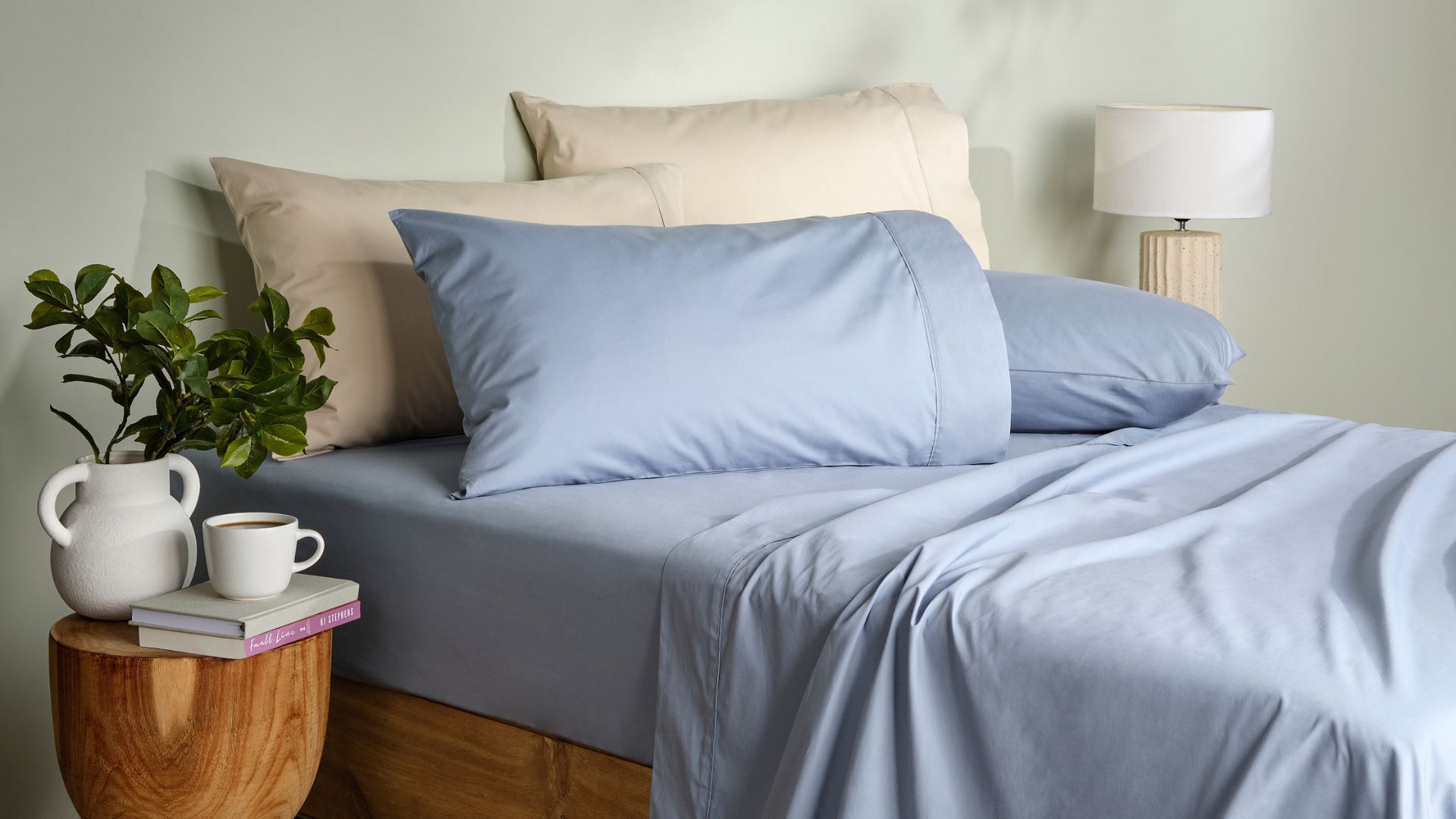
While mattress and bedding quality play a significant part in your overall comfort, don't overlook the importance of sheets for a good night's sleep. Offering a combination of warmth, insulation, and comfort, quality sheets are an important piece of the overarching bedding puzzle.
But here's the issue - there are too many options to pick and choose from. There's a lot to navigate - from brands, materials, and pricing. Let's face it, if anything, the process of buying the best bed sheets for your bed can feel stressful.
That's why we're breaking down everything you need to know - from materials, thread count, how often you should change bed sheets, to all the small and big considerations to help you buy bed sheets with confidence.
Quick Links
- How to Choose Bed Sheets
- Types Of Bed Sheets
- Choosing The Right Sheet Size And Fit
- What's Included In A Bed Sheet Set?
- Bed Sheet Materials and Fabrics
- Choosing Your Bed Sheet's Thread Count
- Sheet Weaves And Finishes
- How To Care For Your Bed Sheets
How To Choose Bed Sheets
If you're planning to invest in quality bed linen, there's a lot to consider, and we'll go into that later in the guide. As a starting point, before you even start browsing, remember to measure the size of the sheet you want to buy. Picking the correct size will mean your sheets sit snugly on your mattress and prevent slippage while you sleep.
How To Choose Bed Sheets That Suit Your Sleep Style
Finding your perfect bed sheet is all about understanding your unique sleep style. First, consider if you're a hot or cool sleeper. For those who sleep warm, look for crisp and cool percale cotton or temperature-regulating bamboo fabric. If you tend to feel chilly, then cosy flannel or brushed cotton will be your best friend. We also recommend considering any sensitivities - naturally hypoallergenic fabrics like organic cotton and bamboo are wonderful and gentle choices. The key is to focus on your personal body temperature, prioritise breathable materials that work with it and to always choose a weave and fibre that feels beautifully comfortable to you.
Sleep Style/Need | What to Look For | Recommended Sheets |
Hot Sleeper | Breathable materials | Bamboo sheets, cotton sheets |
Cold Sleeper | Insulating materials and thicker thread count | Flannelette sheets, thicker thread count such as 1000 thread count sheets |
Summer | Breathable and breezy | Bamboo sheets, cotton sheets, linen blends |
Winter | Warm and cosy | Flannelette sheets, fleece sheets, thermal sheets |
Sensitive Skin | Soft natural materials | Bamboo sheets, cotton sheets |
Allergies/Hayfever | Hypoallergenic materials | Microfibre sheets |
Families/kids | Easy to clean and durable | Microfibre sheets |
What Should I Avoid When Buying Bed Sheets?
When it comes to what to avoid, there are a few key factors that you should consider. First, if you're a warm sleeper, steer clear of synthetic materials like polyester or microfibre, as they can trap heat. Always avoid any fabrics that feel rough or scratchy to the touch. Ultimately, it comes down to your personal preference.
Types Of Bed Sheets
When it comes to bed sheets, there are two primary types you'll encounter: the fitted sheet, which snugly wraps around your mattress, and the flat sheet, which lies on top. Each performs a separate function.
Fitted Sheets
A fitted sheet is the essential foundation of a beautifully made bed, as it's the bottom sheet that snugly wraps your mattress. Its corners feature elasticated edges that securely hug the mattress to prevent it from slipping or coming loose during the night. This creates a smooth and taut surface for you to sleep on, eliminating uncomfortable wrinkles and bunching.
Flat Sheets
A flat sheet is the versatile top layer that completes your bed's comfort and style. It lies directly above your fitted sheet, acting as a lightweight barrier between you and your blanket or duvet. This layer adds an extra touch of softness, helps protect your bedding and is easy to care for.


Do You Need A Fitted & Flat Sheet?
A top sheet helps keep the quilt cover clean as it acts as a barrier between the sleeper and the cover, preventing sweat, oil, and dirt from the body from penetrating the bedding. During colder weather, using a flat sheet as a top sheet can provide additional warmth when added between the sleeper and a lighter-weight cover. Alternatively, in warmer weather, the top sheet can keep the sleeper cool by allowing airflow between the body and the comforter or duvet. However, many simply prefer the feeling of sleeping with only a quilt or comforter and feel that a top sheet is unnecessary. Choosing for yourself is a matter of preference. That's why we've decoded these terms and their relevance when buying sheets in our flat vs fitted sheet guide.
Choosing The Right Sheet Size & Fit
Finding the perfect bed sheet fit starts with knowing your mattress. It's essential to match the bed sheet size directly to your mattress's specific dimensions - don't just assume a queen label is universal. For fitted sheets, always check the pocket depth to ensure it can accommodate a thicker mattress or a topper without straining the elastic. Lastly, if you choose natural fibres like cotton or linen, remember they can shrink slightly.
How To Measure For The Right Sheet Size
First, gather the dimensions of your mattress. Using a soft measuring tape, measure the length, width, and very importantly, the height (or depth), including the total height of any mattress toppers you use. For a fitted sheet, add about 4cm to the depth you've measured. This extra margin ensures a secure fit without over-stretching the elastic. For a flat sheet, measure the width and length of the top of your bed with pillows in place. Then, add generous extra length at the foot and head of the mattress to allow for comfortable tucking.
Fitted Sheet Size Guide At Harris Scarfe
Single fitted sheet | 91cm W x 190cm L x 40cm D |
King-single fitted sheet | 107cm W x 203cm L x 40cm D |
Double fitted sheet | 137cm W x 190cm L x 40cm D |
Queen fitted sheet | 152cm W x 203cm L x 40cm D |
King fitted sheet | 183cm W x 203cm L x 40cm D |
Super-king fitted sheet | 203cm W x 203cm L x 50cm D |
Flat Sheet Size Guide At Harris Scarfe
Single flat sheet | 199cm W x 279cm L |
King single flat sheet | 244cm W x 279cm L |
Double flat sheet | 244cm W x 266cm L |
Queen flat sheet | 259cm W x 279cm L |
King flat sheet | 289cm W x 279cm L |
Super-king flat sheet | 300cm W x 330cm L |
What's The Difference Between Standard & Deep Pocket Sheets?
The key difference between standard and deep pocket sheets is their pocket depth, which determines the thickness of mattress they can fit. Standard pocket sheets are designed for thinner mattresses. Deep pocket sheets are specifically crafted for thicker mattresses, such as those with a pillow-top layer or an added mattress topper. Their taller sides provide extra fabric to fully encase the mattress, ensuring the elastic stays securely tucked underneath.
What's Included In A Bed Sheet Set?
Typically, a sheet set will include
- One flat sheet
- One fitted sheet,
- A pair of pillowcases
Bed Sheet Materials & Fabrics
The fabric of your bed sheets will impact your sleep experience, directly influencing your comfort, body temperature and overall sense of well-being. Choosing a quality bed sheet fabric isn't just about aesthetics - it's a fundamental investment in how you feel each morning.
Types Of Materials For Bed Sheets
The fabric you choose truly defines your sleep experience, so it's important to understand the key characteristics of the most popular types to help you find your perfect match.
Bamboo Cotton Sheets
Bamboo cotton is a soft, silky fibre. Naturally hypoallergenic, bamboo is very breathable. This means it can help regulate your body temperature, keeping you warm in winter and cool during summer.
Benefits:
- Softer than regular cotton
- Highly breathable and moisture-wicking
- Naturally hypoallergenic and anti-bacterial
Cotton Sheets
Cotton, a natural and breathable fibre, is perhaps the most commonly used in bed linen. It's ideal for sensitive skin and channels sweat from the skin, making it suitable for use throughout the year. It's also easy to wash and great for everyday use. Here are some of the most common types of cotton sheets available.
Benefits:
- Soft and comfortable
- Durable and long-lasting
- Breathable and moisture-absorbent
- Easy to care for and maintain
Egyptian Cotton Sheets
More robust than regular cotton and boasting better longevity, Egyptian cotton sheets are considered the epitome of luxury. These sheets have the smoothest touch and feel, courtesy of exceptionally long individual fibres.
Benefits:
- Exceptionally soft and luxurious
- Has longer fibres for greater durability
- Highly absorbent and breathable
- Resistant to pilling and fraying
Sateen
Cotton sateen sheets are distinctive for their lustrous sheen and silky smooth finish. With thicker yarn than percale, they feel soft to the touch and are cosy during winter. Ideal for cold sleepers throughout the year.
Benefits:
- Luxurious and silky smooth
- Has a subtle sheen and lustrous appearance
- Drapes beautifully and feels good against the skin
- Durable and resistant to fading
Microfibre Sheets
Featuring tightly woven polyester microfibres, these sheets offer heaps of durability and strength. They're breathable, making them a comfortable choice for bed linen throughout the year. Microfibre sheets are usually wrinkle-resistant when washing or drying.
Benefits:
- Affordable and budget-friendly
- Extremely soft and comfortable
- Lightweight and easy to care for
- Hypoallergenic and resistant to dust mites
Flannelette Sheets
Composed of brushed cotton, flannelette offers a thicker and warmer sheet, making them ideal for cool sleepers and the colder months. The raised fibres of the sheet create a cosy, warm feel, making it an excellent investment during winter.
Benefits:
- Warm and cosy for cooler months
- Soft and comfortable against the skin
- Absorbs and retains moisture for added comfort
- Easy to care for and machine washable
What's the Softest Sheet Material?
When seeking the ultimate in softness, look to materials known for their luxuriously smooth hand-feel. Silk, Tencel and bamboo sheets are renowned for their exceptionally silky and soft drape against the skin, offering a truly indulgent sleep experience. A sateen weave creates a signature smooth, glossy surface, while a higher thread count generally indicates a finer, denser and softer fabric.
What Sheet Materials Are Best for Summer Or Winter?
For those warm summer nights, breathability is key. Our summer favourites are linen and bamboo for their legendary, moisture-wicking coolness, along with cotton percale for its crisp, airy feel and cotton sateen for its cool and smooth glide. When the temperature drops, it's all about cosy warmth.
For winter, we recommend flannelette sheets for their incredible, insulating softness, along with microfibre and fleece for their plush, heat-trapping comfort. Luxurious Egyptian cotton is also a superb winter choice, offering both warmth and breathable softness. For versatile, year-round comfort, you can't go wrong with classic, high-quality cotton.
Best Sheet Materials For Sensitive Skin Or Allergies
For a truly gentle night's sleep, choosing bed sheets that care for sensitive skin and allergies is essential. The very best materials for this are Tencel, bamboo, silk and organic cotton. These fibres have hypoallergenic properties, making them resistant to common allergens like dust mites and bacteria, creating a cleaner and more hygienic sleep environment. This helps to significantly reduce potential sources of irritation and discomfort, allowing your skin to rest peacefully.
Choosing Your Bed Sheet's Thread Count
Thread count is a key factor in how your bed sheets will feel and perform. It influences the fabric's hand-feel, breathability and overall durability, helping you find the perfect balance between luxurious softness and practical comfort.
What Does Thread Count Mean on Sheets?
Simply put, thread count refers to the total number of threads, both horizontal (weft) and vertical (warp), woven into one square inch or square centimetre of fabric. While it's one indicator of quality, a higher thread count generally means the threads are finer and woven more densely. This creates a fabric that is often smoother, stronger and more luxuriously soft to the touch.
Does Thread Count Matter?
Absolutely, thread count matters. It's a valuable guide to the feel and longevity of your bed sheets. This number directly influences the fabric's hand, determining its softness and overall durability, which in turn shapes how comfortable your sleep will be.
Sheet Weaves & Finishes
The weave determines your fabric's fundamental feel and performance, and finishes bring that texture to life. Choosing your weave is how you personalise the sleep experience that makes your bed uniquely and comfortably yours.
Types Of Bed Sheet Weaves
Just as the fabric is important, so too is the weave of your bed sheets. Different weaves create distinct textures, feels and performance characteristics, which is why choosing the right one is essential for your personal comfort. It determines whether your bed feels crisp, cosy or silky smooth.
Percale
These sheets are characterised by matte finishing and tight, flat cotton weaves that feel crisp. The fabric is lightweight, breathable, and great to use during summer.
Benefits:
- Crisp and cool feel
- Lightweight and breathable
- Strong and durable weave
Which Weave Is Softer Or Cooler?
For a cool sleep, percale, linen and silk are the best choices. These weaves are renowned for being highly breathable, lightweight and smooth, offering a refreshing feel that perfectly regulates temperature throughout the night.
Do Certain Fabrics Wrinkle Or Shrink More Than Others?
Yes, certain fabrics are more prone to wrinkling and shrinking. Natural fibres like 100% cotton, rayon and twill weaves can be susceptible to shrinkage, particularly after their first wash or washing on high heat. It's a natural characteristic, as these breathable fibres relax when laundered. To maintain the perfect fit and look of your beloved bed sheets, a simple care routine makes all the difference. Always follow the specific care label. To help prevent shrinkage, it's recommended to wash in cool water and to tumble dry on a low heat setting or allow them to air dry. A quick iron can easily smooth any charming, natural wrinkles for a crisp finish.
How To Care For Your Bed Sheets
While choosing the best sheets for your bed is key, bedding hygiene is equally critical for your health and sleep quality. When you don't change and wash your sheets regularly, you risk opening yourself up to allergies, skin breakouts and much more.
How To Wash & Care for Bed Sheets
Caring for your beautiful sheets is simple and ensures they feel wonderful, wash after wash. Always check the care label first. We recommend washing in cool or warm water with a mild detergent. To preserve fibres and prevent shrinkage, tumble dry on low heat or line dry for that fresh air crispness. Avoid over-drying and remove your bed sheets from the washing machine promptly to minimise wrinkles. With this gentle routine, your sheets will maintain their comfort, fit, and luxurious look for years to come.
How to load the washing machine
- Don't jam the washing machine with too many sheets. Sheets need space to circulate in the water for a thorough clean-up.
- Wash your sheets separately from towels and other clothing. This will prevent damage from zippers or items getting tangled and balled up.
What settings should I use to wash the sheets?
- Start by checking the care labels to see if there are any specific instructions to follow.
- Select the water temperature the label suggests. You should wash on the hottest setting recommended, as the hotter the water, the more bacteria are removed.
- Pick a cycle depending on how soiled the sheets are. Remember: Overwashing will wear out the fabric faster. We recommend a normal or regular cycle unless the bedsheets are unusually dirty.
Tips to wash your sheets
- Always use a gentle detergent for cotton and cotton-polyester-blend sheets.
- Fabrics like linen and silk could require a different detergent, so don't forget to check the product's care label.
- White and light-coloured cotton sheets are great to wash at any temperature.
- Reduce fading and increase the longevity of your dark-coloured sheets by washing and rinsing in cool water.
- Always remember to separate by colour. Just like clothing, dark colours can bleed into lighter sheets.
- Pre-treat the stains on your sheets before popping them into the washer. This is a good way to ensure small stains are easily removed.
How Often Should You Wash Your Sheets?
If you're wondering, do I need to wash my sheets often? The answer is a resounding YES! We recommend washing your sheets once every week to improve your bedding hygiene and sleep quality. But, if you're pressed for time, wash them once every two weeks at a minimum. During the summer months, stick to a more frequent washing regime.
We spend a third of our lives in bed. On average, that's 50+ hours weekly of sweat, gunk, body oil, and dead skin cells collecting on our sheets. Then there's the added concern of dust mites that thrive on dead skin cells. You may also need to wash your sheets frequently if:
- Your pet sleeps with you
- You're allergic to dust or have asthma
- You're a hot sleeper and sweat in bed
- You frequently eat in bed
- You have sensitive skin

How Long Should Quality Bed Sheets Last?
With proper care, a set of quality bed sheets should provide you with beautiful comfort for a good two to five years. How long they last depends on a combination of factors. The inherent durability of the material plays a starring role. Equally important is how you care for your bed sheets.
Shop Quality Bed Sheets At Harris Scarfe
The best sheets for your bed are the ones that fit your needs and budget. Harris Scarfe offers a wide range of materials like cotton, flannelette, Tencel, Egyptian cotton and more across a wide range of budget options to suit every need and sleeping type. Available as sheet sets and individual sheets, you have heaps of flexibility and choice. Discover our extensive bedroom range online and in-store.
